
How To Plan A Food Truck Business: One of the most interesting ways to get into the food industry is to start a mobile kitchen business. Whether you want to serve fusion food, tacos, barbecue, or gourmet coffee, it’s important to plan your business thoroughly. Selecting your setup, such as whether to purchase a food truck or a custom food trailer, is one of the first tasks. Everything you need to know will be covered in this book, including the differences between food trailers and food trucks, alternatives for concession food trailers, and even ideas for food truck and food trailer designs that will help your business stand out.
Why Choose a Food Truck or Custom Food Trailer?
The mobile food industry is booming, thanks to low overhead costs compared to traditional restaurants and high customer demand for unique dining experiences. But before you hit the road, you need to decide between a food truck and a food trailer.
Food Trailer vs. Food Truck: What’s the Difference?
A food truck is a self-contained vehicle with a built-in kitchen and driving capabilities, while a food trailer is towed by another vehicle. Each has its pros and cons:
- Food Truck Pros: Easier mobility, faster setup, ideal for busy city areas.
- Food Truck Cons: Higher upfront cost, more maintenance.
- Food Trailer Pros: More customizable, flexible size options, often more affordable, can be unhitched and left at events.
- Food Trailer Cons: Requires a towing vehicle and more planning for transport.
For many entrepreneurs, a custom food trailer is the best choice because it allows greater flexibility and lower startup costs, especially for niche or specialty foods.
Planning Your Business Step by Step
1. Research Your Market
Start by analyzing your target audience and location. Are you focusing on festivals, corporate events, farmers’ markets, or college campuses? Understanding your market helps you choose between a food trailer and food truck and design your menu accordingly.
2. Develop a Business Plan
Include:
- Startup costs (vehicle, equipment, licenses).
- Operating expenses (staff, fuel, supplies).
- Marketing strategies (social media, website, local advertising).
- Revenue projections.
A solid plan is crucial to attract investors or qualify for business loans.
3. Design Your Food Truck or Food Trailer
Your design is more than just aesthetics it’s about efficiency, branding, and compliance. Here’s what to consider:
- Food Truck Design Ideas: Compact yet functional layouts, bold graphics, and easy-to-read menus.
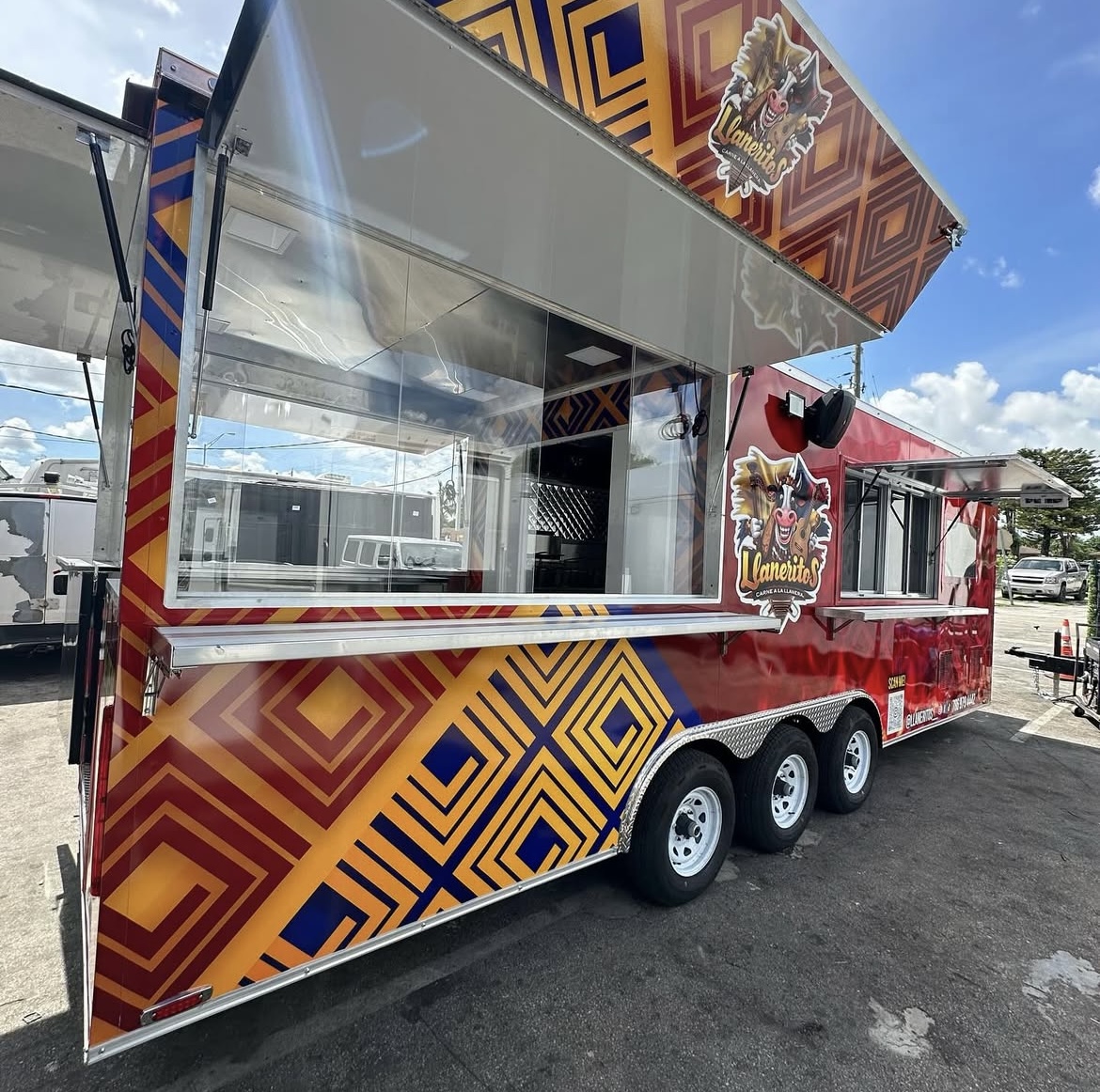
- Food Trailer Design Ideas: Larger prep space, custom equipment options, walk-up windows, and creative wraps that showcase your brand.
Work with professionals who understand mobile kitchens to ensure your trailer or truck meets local health codes and safety requirements. How To Plan A Food Truck Business:
4. Obtain Licenses and Certifications
Every state and city has different requirements, but you’ll likely need:
- A business license.
- Food handler permits.
- Health department inspections.
- Fire and safety certifications.
If you’re operating a concession food trailer, special event permits or fairground approvals might also be required. How To Plan A Food Truck Business:
Tips for a Successful Launch
1. Perfect Your Menu
Start Simple
Begin with a manageable menu that showcases your best items. This allows you to focus on quality while you establish your brand.
Get Feedback
Before your launch, host a tasting event for friends, family, or potential customers. Their feedback can help you refine your offerings and ensure you’re meeting customer expectations.
2. Create a Strong Brand Identity
Eye-Catching Design
Invest in a visually appealing design for your custom food trailer. Use vibrant colors and clear branding to make your truck stand out.
Consistent Messaging
Ensure that your branding is consistent across all platforms, including your trailer, social media, and website. This helps build recognition and trust with customers.
3. Utilize Social Media
Build Anticipation
Use platforms like Instagram and Facebook to share updates about your launch. Post behind-the-scenes content to engage your audience and build excitement.
Interact with Your Audience
Respond to comments and messages promptly. Engaging with your potential customers builds a community around your brand.
4. Choose Your Launch Location Wisely
High Traffic Areas
Select a launch location with high foot traffic, such as busy streets, parks, or local events. This increases your chances of attracting customers.
Check Local Regulations
Ensure that you have the necessary permits for your chosen location. Familiarize yourself with local rules regarding food trucks and vending. How To Plan A Food Truck Business:
5. Offer Promotions
Special Launch Deals
Consider offering discounts or special deals during your launch week. This can entice customers to try your food and encourage repeat business.
Loyalty Programs
Introduce a loyalty program to reward returning customers. This can help build a dedicated customer base over time.
6. Ensure Quality and Efficiency
Streamlined Operations
Organize your kitchen setup for efficiency. A well-planned layout helps your team work smoothly, ensuring quick service and high-quality food.
Consistent Quality
Focus on maintaining the quality of your food. Consistency in taste and presentation will keep customers coming back.
7. Gather Customer Feedback
Encourage Reviews
Ask customers to leave reviews on social media or food apps. Positive reviews can enhance your reputation and attract new customers.
Be Open to Criticism
Listen to customer feedback and be willing to make adjustments. Constructive criticism can help you improve your offerings and service.
8. Network with Other Food Vendors
Collaborate
Build relationships with other food truck owners and local businesses. Collaborations can lead to joint events or cross-promotions that benefit everyone involved.
Share Experiences
Networking can provide valuable insights and tips from those who have been through the same journey.
9. Stay Adaptable
Be Ready to Pivot
The food truck industry can be unpredictable. Be prepared to adapt to changing customer preferences or unexpected challenges.
Experiment with New Ideas
Don’t be afraid to try new menu items or promotions based on customer feedback or seasonal trends.
10. Celebrate Your Success
Acknowledge Milestones
Take time to celebrate your achievements, whether it’s your first sale or reaching a specific number of customers. Recognizing milestones can keep you motivated. How To Plan A Food Truck Business:
Show Gratitude
Thank your customers for their support. A simple “thank you” can go a long way in building loyalty and a positive reputation.
Why Customization Matters
A custom food trailer allows you to create a setup that matches your exact needs. From specialized equipment (pizza ovens, espresso machines) to storage and workflow, customization ensures efficiency and professionalism. It also differentiates your business in a competitive market.
Concession food trailer owners often benefit from customization because events and fairs require flexible menus and unique service setups. Adding features like extra serving windows, larger storage, or specialty lighting can attract more customers.
Final Thoughts
Planning a food truck business isn’t just about cooking it’s about strategy, design, and execution. Whether you choose a food truck or custom food trailer, success comes from knowing your audience, creating a strong brand, and delivering consistently great food.
Invest time in food trailer design ideas and food truck design ideas, learn the differences between a food trailer vs. food truck, and explore the opportunities that a concession food trailer can bring. Missouri and other states are seeing rapid growth in mobile kitchens are you ready to roll?
Ready to Start Your Food Truck Journey?
If you’re looking for a food truck for sale in Missouri or a food trailer for sale Grain Valley MO, let us help! Contact Jordan Custom Food Trucks today to discuss your vision. Visit our website or request a consultation to get started on your dream food business!